
In today’s fast-paced digital world, our devices are only as good as their battery life—and that’s where chargers and adapters come in. Whether you’re powering up a smartphone, laptop, tablet, smartwatch, or Bluetooth speaker, the charger and adapter you use can make a big difference in speed, safety, and long-term performance. But not all chargers and adapters are created equal.
What is a Charger?
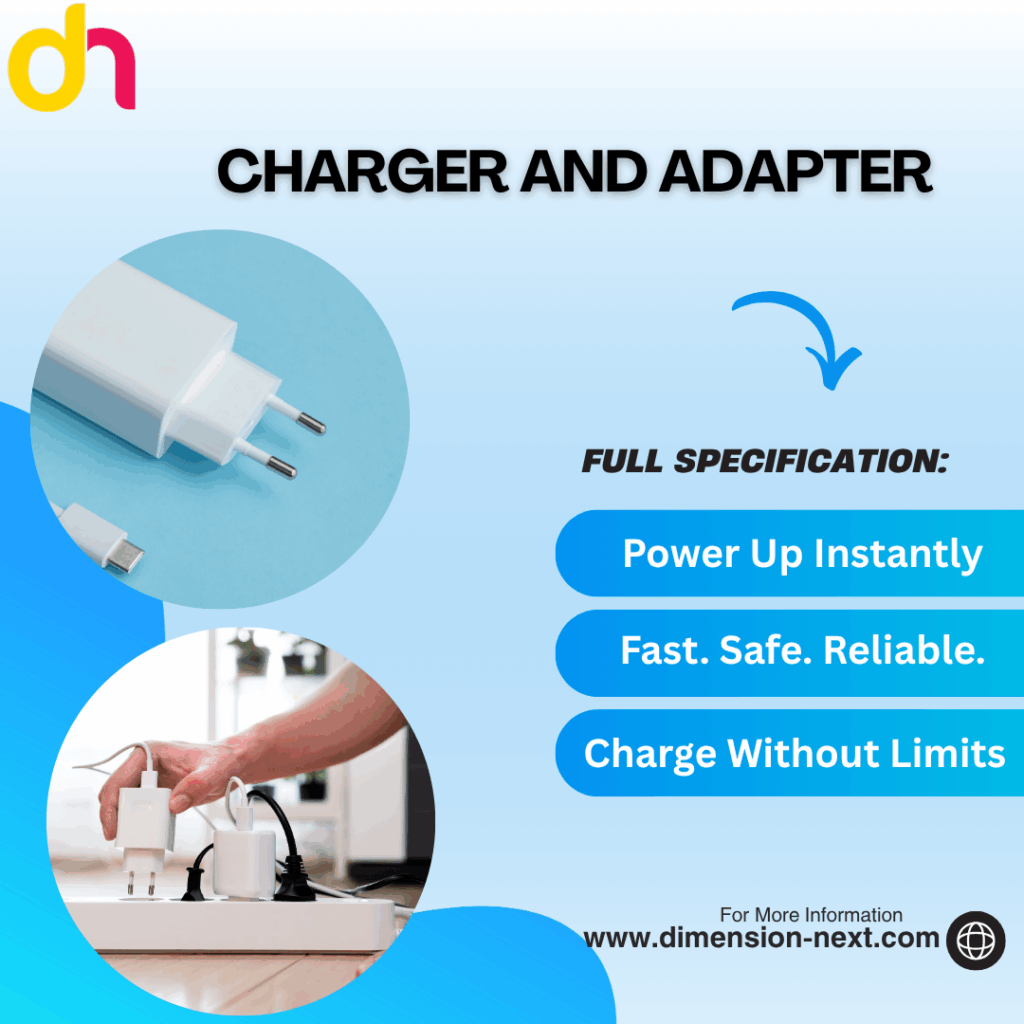
A charger is an electronic device that supplies electric current to recharge the batteries of portable electronics. Most modern chargers convert AC (alternating current) from your wall socket into DC (direct current) suitable for your devices.
Chargers typically come in two types:
- Wired Chargers – These chargers supply power to your device through a physical cable connection, ensuring stable and direct charging.
- Wireless Chargers – Use electromagnetic fields to charge compatible devices without physical connectors.
What is an Adapter?
An adapter, often called a power adapter or wall adapter, is the component that connects the charger to a power source (usually a wall outlet). It converts the voltage and current to levels safe for your devices. While some chargers come with built-in adapters, others have detachable adapters that can be replaced or upgraded as needed.
In many modern smartphones, the “charger” often refers to the entire kit—adapter and cable—used together.
Why Choosing the Right Charger and Adapter Matters
Not all chargers are compatible with every device. Using a low-quality or mismatched charger can lead to:
- Slow charging
- Battery damage
- Overheating
- Safety hazards like short circuits
On the other hand, a high-quality, certified charger and adapter combo can:
- Provide fast, efficient charging
- Extend your battery life
- Protect your device from power surges
- Offer smart charging technology that adapts to your device’s needs
Types of Chargers
1. USB Chargers
USB chargers are widely used and available in various types such as USB-A, USB-B, Micro-USB, and the newer USB-C, which offers faster charging speeds and improved data transfer capabilities.
2. Wireless Chargers
These use Qi technology to charge devices by placing them on a pad or stand.
3. Car Chargers
Designed to plug into a car’s cigarette lighter socket, perfect for on-the-go charging while driving.
4. Portable Power Banks
Not a charger in the traditional sense, but a mobile battery that can charge devices when you’re away from an outlet.
5. Laptop Chargers
Laptops often use higher wattage chargers (45W to 100W or more) with proprietary or USB-C connectors.
Types of Adapters
1. Wall Adapters
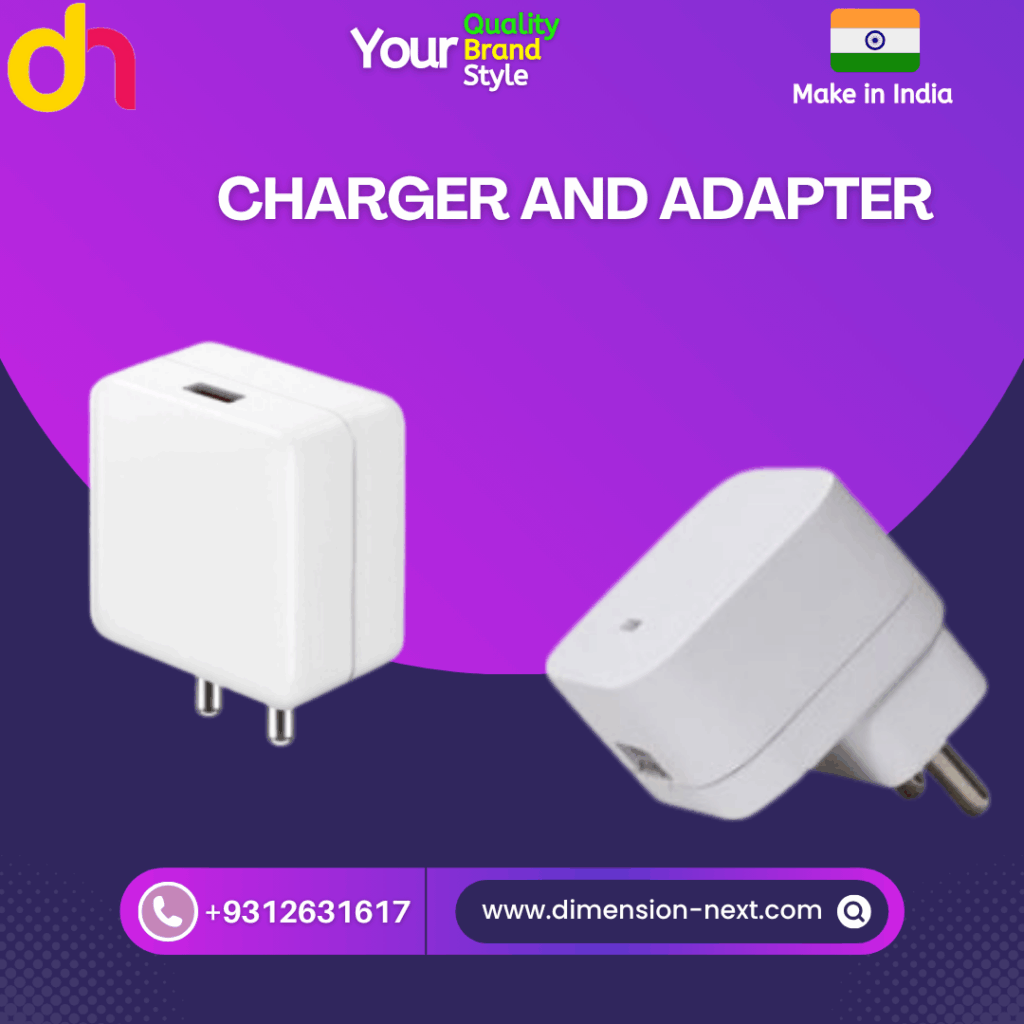
Plug into wall sockets and output power through USB or Type-C ports. Power output usually ranges from 5W to 65W or more.
2. Universal Travel Adapters
Useful when traveling internationally. They adapt plug shapes and voltage between different countries.
3. Multi-Port Adapters
Charge multiple devices simultaneously.
4. Smart Adapters
Come with built-in chips that detect the connected device and deliver optimal charging current. These protect against overcharging and overheating.
Key Features to Look For
- Power Output (Wattage): Higher wattage means faster charging. For smartphones, 18W to 33W is common; for laptops, go for 45W or higher.
- Compatibility: Ensure it supports your device’s voltage and port type.
- Build Quality: A good adapter should be made of heat-resistant material and certified by safety standards.
- Cable Quality: A good charger is only as good as the cable used. Choose high-quality, braided, or TPE-coated cables for longevity.
Common Mistakes to Avoid
- Using cheap, unbranded chargers—can damage your device.
- Mixing cables and adapters with different power ratings—can lead to slower or unstable charging.
- Ignoring port compatibility (USB-A to USB-C mismatch).
- Leaving the charger plugged in 24/7—can cause wear or safety risks.
Conclusion
Chargers and adapters may look simple, but they play a vital role in your digital lifestyle. Investing in a quality charging solution ensures your devices stay powered, protected, and ready to perform when you need them most.
Before buying, always check compatibility, certifications, and power requirements. Whether you’re looking for a fast-charging mobile charger, a universal travel adapter, or a high-wattage laptop adapter—make sure it’s reliable, safe, and built for your device.
Read More Blogs
Power Banks: Your Portable Lifeline in a Digital World
Power Banks: Your Portable Lifeline in a Digital World
The World of Cables: The Unsung Heroes of Connectivity
Best Online Electronics Store – Shop Latest Gadgets & Devices
Understanding Chargers and Adapters: Everything You Need to Know
